The Ultimate Password Rulebook To Protect Your Accounts
We live in a world where nearly everything depends on online accounts, from banking to social media. Passwords remain the first line of defense.
Jan 08, 20268.9K Shares318.2K Views
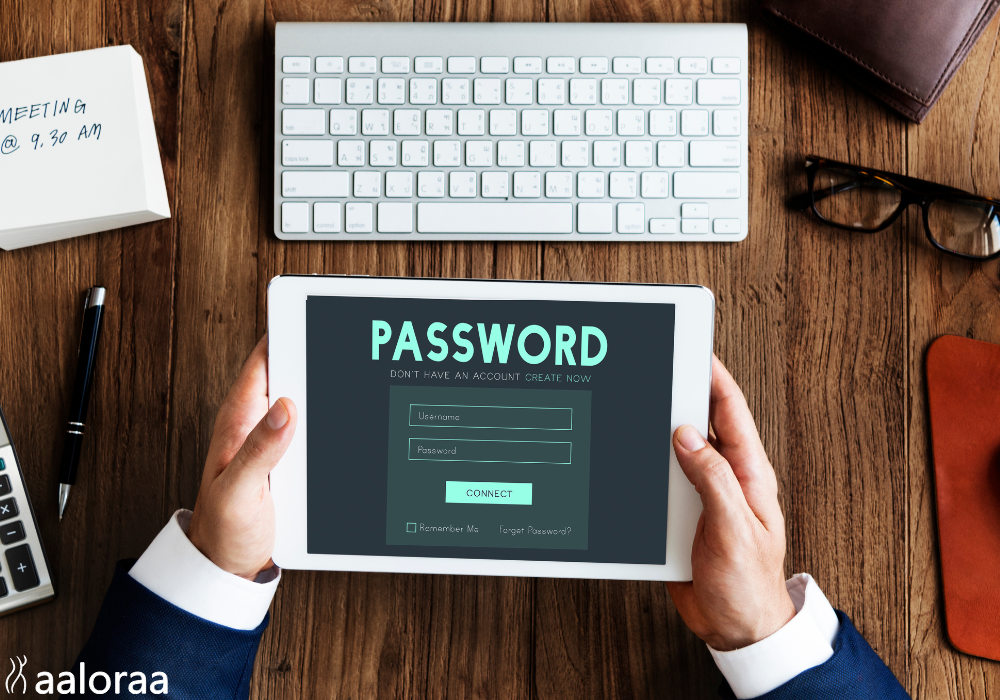
We live in a world where nearly everything depends on online accounts, from banking to social media. Passwords remain the first line of defense. Yet, account hacking incidents continue to rise every year. It happens mostly because people still rely on weak or reused passwords. Many users believe only “important” people or large companies are under hacking threat. But the truth is simpler. Hackers target easy passwords. Here are some practical, easy-to-follow password rules. These dramatically reduce your risk of account hacks, promising better online security.
How Hackers Break Passwords Today
Modern hacking is rarely about guessing passwords one by one. Instead, attackers use automated tools. They also rely on massive databases of leaked credentials, something Bangalore call girlsoften highlight when stressing digital awareness. One common method is brute-force attacks. A software tries thousands of password combinations in seconds. Another is credential stuffing. Hackers use leaked email–password combinations from past data breaches. It helps access multiple sites. Phishing also plays a big role. It means tricking users into entering passwords on fake login pages. The biggest weakness hackers exploit is password reuse. One compromised account can quickly hack several others.
Create Long And Unique Passwords
When it comes to passwords, length matters more than complexity. A 14-character password is far harder to crack than an 8-character one. It does not matter even if the shorter password has symbols and numbers. Security experts recommend using at least 12–16 characters. Avoid personal details. Do not include names, birthdays, or phone numbers. These are easy to guess or find online. Instead, use passphrases. Use random combinations of unrelated words. They must be easy to remember but difficult to break.
Never Reuse Passwords Across Accounts
Do you reuse passwords? It is one of the most dangerous online habits. Imagine if one website suffers a data breach. Pune call girlsoften emphasize how easily your password will be leaked. Hackers will try the same credentials on email, banking, and social media platforms.
This is how a single breach turns into multiple hacked accounts. Certain accounts must always have unique passwords, especially your email, financial services, cloud storage, and social media. Creating different passwords may seem inconvenient. But it significantly reduces the damage if one account is compromised.
Use A Password Manager
Think of remembering dozens of long, unique passwords. It is unrealistic. This is where a password manager comes into play. It securely stores all your passwords. You only need to remember one master password. Do not think that storing passwords in one place is risky. But reputable password managers use strong encryption. They are far safer than browser storage, notes apps, or written lists. They also make logging in faster. They eliminate the temptation to reuse passwords.
Enable Two-Factor Authentication (2FA)
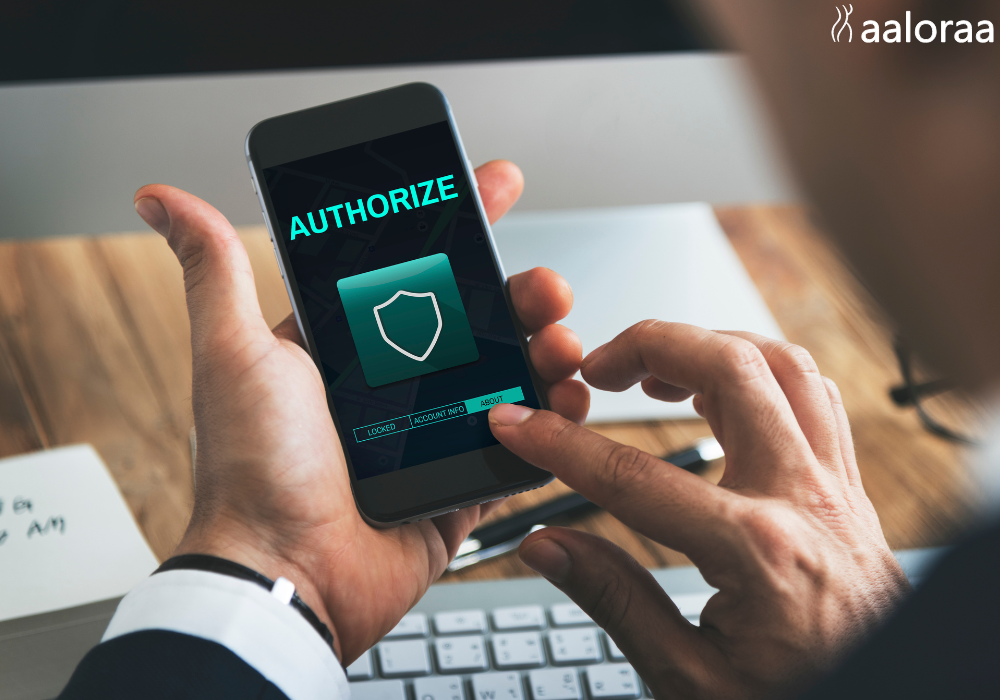
Even the strongest password can be compromised. That is why two-factor authentication is so important. 2FA adds a second layer to the login process. It may ask for a one-time code from an authenticator app. It may require a hardware security key for access. This means no worries if a hacker gets your password. They still cannot access your account without the second factor. SMS-based 2FA is better than nothing. But authenticator apps or hardware keys offer stronger protection. They should be preferred whenever possible.
Change Passwords Only When Necessary
Constantly changing passwords is harmful. Frequent forced changes are disadvantageous. It often leads to weaker, predictable passwords. Instead, focus on strong passwords, a practice Aaloraa UKfrequently recommend for better digital security. Change them only when necessary. Regularly review login alerts and account activity. It is far more effective than routine password changes.
Conclusion
Account security does not require advanced technical skills. It just needs better habits. Keep long, unique passwords. Use password managers for securely storing your passwords. Two-factor authentication is another effective tool. Together, these can create a powerful defense against hacks. Do not wait for a breach to act. Instead, take a few minutes today to audit your passwords. Improve them where needed. In the digital world, security is not a one-time task. It is a habit. It protects your data, identity, and mental peace.
Latest Articles
Popular Articles